
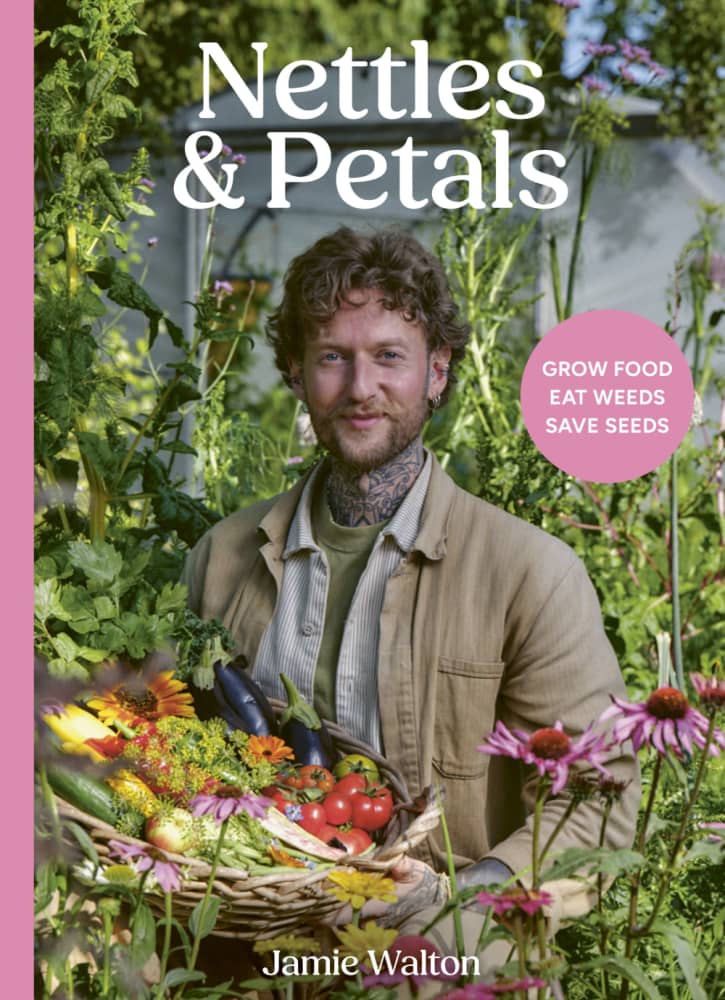
I hope this finds you well and enjoying the first weeks of spring. Firsty, I want to appologise for the late arrival of this newsletter, you may have seen but last Thursday my very first book was released! which was a surreal but fulfilling experience, and I've been rather caught up in everything that that involved. Yet, I just wanted to take the time to say a massive thank you to everyone for all of your support and to thank those of you who have bought a copy, I really couldn't do what i do without you all following along on social media. And for those of you who have not yet got a copy but would like one, they are now available in most bookshops or you can order them online here:
 |
But now back into the newsletter, the clocks have changed, the daylight is stretching into the evenings, and the garden is beginning to stir with fresh energy. April is such an exciting time—it feels like everything wants to grow all at once! If you’ve been sowing seeds over the past few weeks, you’re probably already seeing little green shoots emerging—something i never tire of seeing!
🌱 My top 5 seeds to sow Early to Mid April
The soil is really starting to warm up now, and our last frost dates are approuching (though it’s still wise to keep a fleece or cloche handy just in case, especially here in North Yorkshire, we are having beautifully warm and sunny days but the clear skies are leading to cold nights). Here's my top 5 seeds to sow:
🫛 Peas - now is a great time to sow your peas for pods, they are relatively frost hardy and after germinating inside I move them to my greenhouse. Some of my favourite varieties are Blauwschokker (a really attractive purple pea) and Telephone Pea (a very tall pea, growing 6 foot plus! It has heavy yeilds and is very tasty, few pods actuallymake it to the kitchen)
🥕 Carrots - I always direct sow my carrots rather than germinating in cells and transplanting, i've found this helps to reduce the risk of carrot root fly and by not disturbing the developing roots, carrots appear to grow straighter.
🧅Onions - I can't sow carrots without sowing onions, they are a great companion to carrots and help to deter carrot root fly with their strong scent. You can sow seed directly, or opt for sets but if you've never tried growing onions from seed before then i challenge you to give it a go! It's so rewarding and cheaper.
☀️ French Marigold - One of my favourite flowers and a must grow companion for tomatoes as it can help deter common pests such as aphids, using its strong scent. It has many other uses such as natural dyeing, being great for pollinators and its edible too! I would sow now and germinate indoors on a sunny windowsill. Marigolds can be succeptable to frost so keep seedlings protected and plant out after the last chance of frost has passed.
🌻 Sunflowers - Perfect for kids, grown ups and pollinators alike, is there anything more satisfying than sowing a seed and watching it grow to over 6foot tall? I like to sow a variety of sunflowers, including Velvet Queen, a striking red sunflower and Black Hopi, which has yellow petals buts seeds produce the most amazing dark purple colour when used in natural dyeing. Sow now and keep undercover until the last chance of frost has passed.
These are some of my top 5 seeds to sow in April but there are so many seeds which can be sown now, I'll list them below and make sure to let me know in the comments which your top 5 seeds are!
🌿 Vegetables
🏡 Sow Indoors / Under Cover:
These benefit from a little extra warmth or protection in April:
- Tomatoes (There is still time! Get tomato seeds sown now and they should quickly catch up)
- Courgettes / Zucchini
- Cucumbers (especially greenhouse varieties)
- Melons
- Pumpkins & Squash
- Sweetcorn
- French Beans (to plant out later)
- Runner Beans (to plant out later)
- Celery
- Celeriac
- Brassicas (Cabbage, Cauliflower, Kale, Broccoli)
- Leeks
- Lettuce & salad leaves (in trays/modules)
- Beetroot (in modules or indoors in cold areas)
- Spring onions
- Herbs like basil, coriander, dill, parsley (heat-lovers do best indoors)
🌱 Sow Direct Outdoors (into a prepared bed):
- Carrots
- Parsnips
- Beetroot
- Turnips
- Radishes
- Spinach
- Swiss Chard
- Lettuce
- Salad leaves (cut & come again)
- Spring onions
- Peas (mangetout, sugar snap, early varieties)
- Broad beans
- Kale
- Pak choi (succession sow small amounts)
- Rocket
- Mustard greens
- Chicory / Endive
🌸 Flowers
🏡 Sow Indoors:
- Sunflowers
- Cosmos
- Zinnias
- Calendula
- Lobelia
- Marigolds (French & African)
- Nasturtiums
- Sweet peas (if not already sown)
- Petunias
- Dahlias (from seed)
- Asters
- Verbena
🌼 Sow Outdoors (hardy annuals & wildflowers):
- Poppies
- Cornflowers
- Nigella (Love-in-a-mist)
- Calendula
- Clarkia
- Godetia
- Wildflower seed mixes
- Sweet peas (in mild areas)
🍓 Other Edible Crops
- Potatoes – Plant out second earlies and maincrop varieties.
- Strawberries – Plant bare-root or young plants.
- Rhubarb – Plant crowns (not seeds).
- Garlic & Shallots – Can still be planted early April in some regions.
- Onion sets – Plant directly outdoors.
TOP TIP: As soon as your seedlings develop their first true leaves, you can start gently pricking them out into individual pots to give them more space to grow. This will help avoid legginess and encourage strong roots, if they have started to look 'leggy' where the stem is long and thin, try planting them slightly deeper in their new pot.
🌿Hardening Off: Time to Acclimatise Your Seedlings
If you’ve been growing under cover or on windowsills, now’s the time to begin hardening off your young plants. This process helps them adjust gradually to outdoor conditions and reduces transplant shock.
Here’s how I do it:
1. Start by putting seedlings outside in a sheltered spot during the day (bring them in at night).
2. Gradually increase their time outdoors, I continue to bring heat loving crops inside (tomatoes, peppers, chillis, aubergines etc) until the last chance of frost has passed.
3. Avoid putting them out in high wind or direct midday sun at first, but if you have a polytunnel or greenhouse a gentle fan can help stems to strengthen.
4. After a week or so, for cold tolerant varieties, they should be tough enough to stay out full-time, remember to regularly check night time tempartures and protect young plants from frosts, you can never be too cautious with adding horticultaral fleece over night, just remember to remove it in the morning.
🫛 Garden DIY: Pea & Bean Supports
We’re begining to start thinking about supports and trellises in the community garden for our peas and climbing beans, and you can do the same at home with simple materials!
Try this:
• Gather bamboo canes or hazel sticks (about 6–8 feet long).
• Push them into the ground in a circle and tie them at the top with twine.
• Wrap string in spirals around the canes to give tendrils more to cling to.
• For a rustic look, weave in some twigs between the poles—it’s charming and functional.
🪻Community Garden Update – Spring in Full Swing!
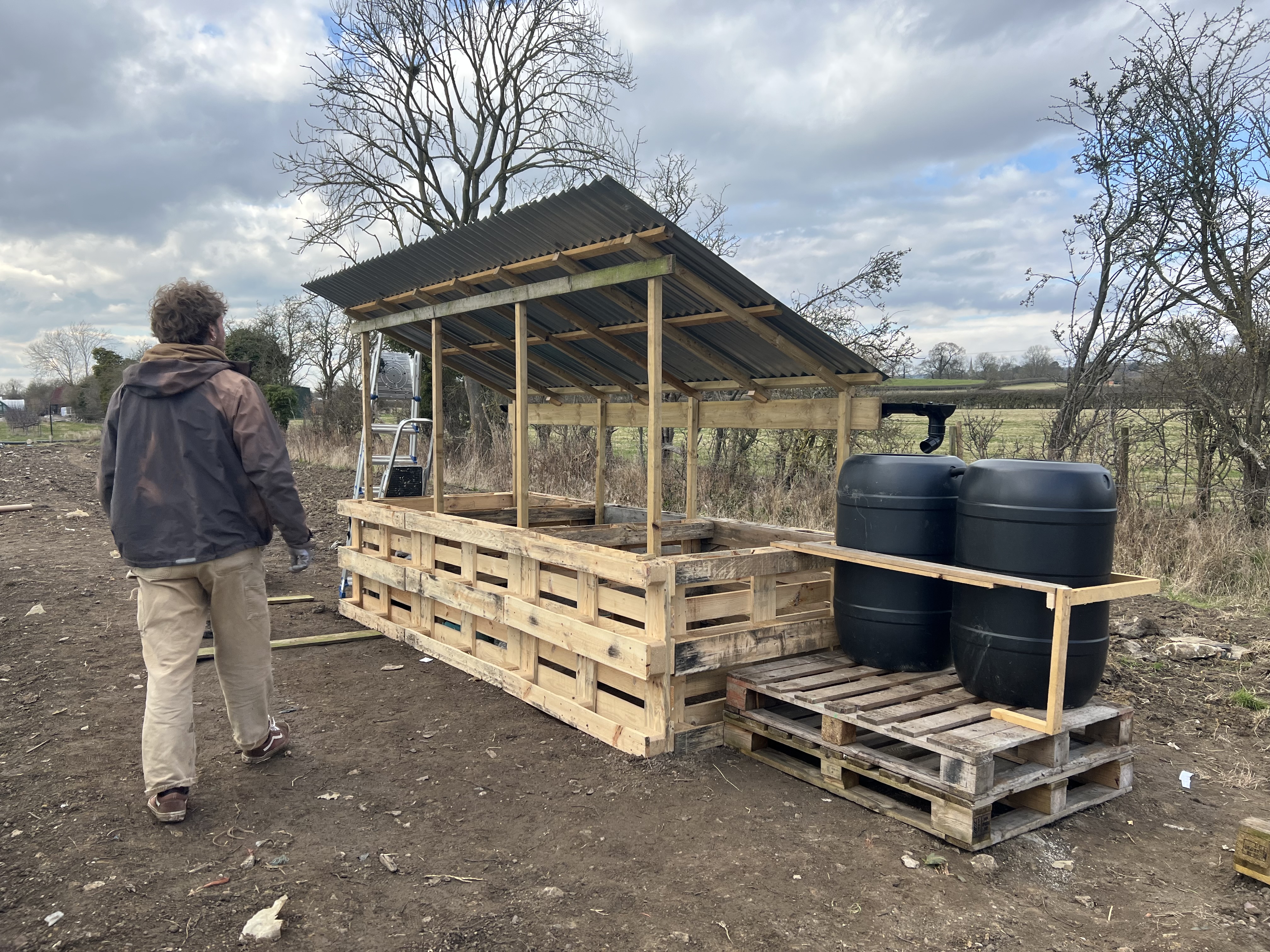
Things are moving along in Pickering:
✅ Polytunnel is up and nearly running! Seedlings and humans alike are loving the warmth and protection of an indoor growing space, this weekend we plan to set up the permanent no dig beds and then we can really start growing.
✅ Compost bays are starting to fill, we had a delivery of mushroom substrate from our friends at 'Puurfection' and the water catchment system is ready and waiting for rain!
✅ Volunteer Days: We’ve had our first round of volunteers and have now planted the perenial fruit bush/tree rows! If you’d like to come along, follow the link below to sign up.
 |
🌿 Creamy Wild Garlic Soup (Plant-based, but easy to adapt!)
Serves 4
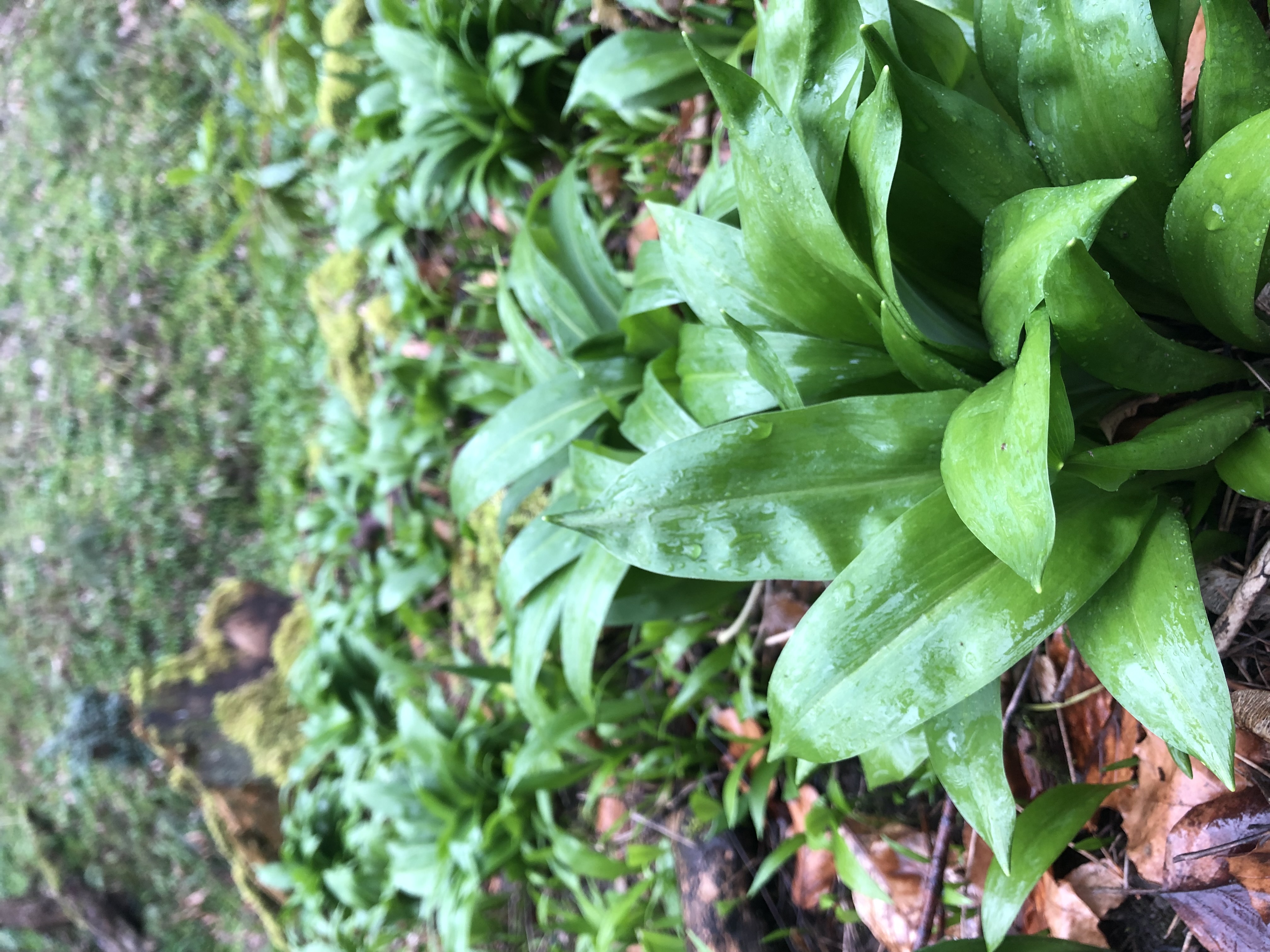
We are now well into Wild Garlic season and forest floors are carpeted in the leafy green, heres one of my go to soup recipes to make the most of it! Rememeber whenever you're foraging for wild edibles, always ensure correct identification and follow the foragers rules of treading lightly and ensuring you leave plenty for wildlife and other people. If you are ever unsure about a wild edible, don't risk it.
🥣 Ingredients:
- 1 tbsp olive oil or vegan butter
- 1 onion, finely chopped
- 2 medium potatoes, peeled and diced (for creaminess)
- 800ml vegetable stock
- 100g fresh wild garlic leaves (roughly chopped)
- Juice of ½ lemon (to brighten the flavour)
- Salt & pepper, to taste
- 2 tbsp plant-based cream or coconut milk (optional, for richness)
- Crusty bread, to serve
👩🍳 Method:
- Sauté the base
Heat the olive oil in a large saucepan over medium heat. Add the chopped onion and sauté for 5–7 minutes until soft and fragrant. - Add the potatoes & stock
Stir in the diced potatoes, then pour over the vegetable stock. Bring to a boil, then reduce to a simmer and cook for about 15 minutes, or until the potatoes are very tender. - Add the wild garlic
Add the wild garlic leaves and simmer for 2–3 minutes until wilted but still vibrant. - Blend
Use a stick blender or transfer to a blender and blitz until smooth and creamy. Stir in lemon juice, season with salt and pepper, and add a splash of plant cream if desired. - Serve
Ladle into bowls, drizzle with extra cream or olive oil if you like, and serve with warm crusty bread.
🌱 Optional Add-ons:
- Top with toasted seeds or nuts for crunch
- Add sautéed mushrooms on top for an earthy twist
- A swirl of dairy-free yogurt works beautifully too!
Looking Ahead…
In the next newsletter, I’ll be sharing:
• Companion planting combos for healthier crops
• How to build a no-dig bed for summer planting
• Pollinator-friendly flowers to sow in May
• Another seasonal recipe from the garden
What’s been growing well in your garden lately? Let me know—I always love hearing from you all!
Until next time, happy planting!
Best wishes,
Jamie

Responses