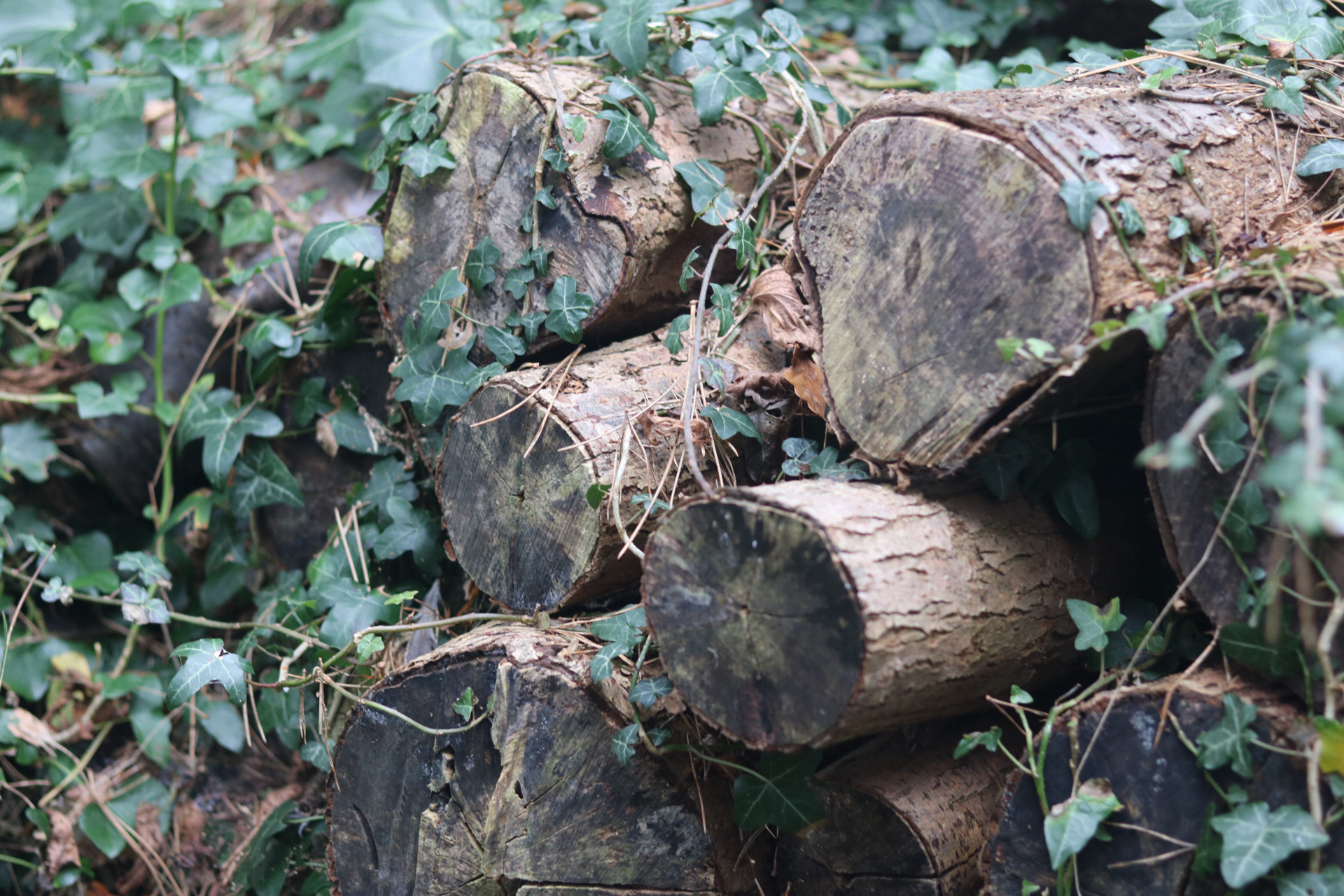
Can you believe we’re already in November?
It feels like autumn has properly settled in here in North Yorkshire — the mornings are now misty, the evenings are dark and the garden is shifting into its quieter season. The beds are starting to empty as more of the summer crops finish and are ready to be mulched and replanted, there’s still plenty to do in the garden and plenty to eat.
In the Community Garden: Harvesting, Storing & Fermenting
In the community garden we’ve been harvesting the last of the summer produce — tomatoes, courgettes, corn, chillies etc — and turning as much as we can into ferments, chutneys and preserves. It’s always amazing how the kitchen fills up with jars at this time of year, and we will be so grateful for them come the long winter months.
We’ve been clearing out the tomato beds now and harvesting all of the tomatoes including the green, before they have the opportunity to rot. One of my favourite things to do with green tomatoes is to cook up a big batch of green tomato chutney — a perfect way to use up what’s left on the vines and a perfect accompaniment to cheese and biscuits (plant based for me) over the festive period!
Recipe: Green Tomato Chutney
This is one of my favourite late-season recipes — tangy, spiced and delicious with plant based cheese, or just spread on toast.
You’ll need:
- 1 kg green tomatoes, roughly chopped
- 2 medium onions, chopped
- 2–3 apples (any variety), peeled and chopped
- 200 g brown sugar
- 250 ml cider vinegar
- 1 tsp mustard seeds
- 1 tsp ground ginger
- ½ tsp chilli flakes (optional)
- A pinch of salt
Method:
- Add all ingredients to a large, heavy-based pan.
- Bring slowly to a boil, stirring until the sugar dissolves.
- Reduce the heat and simmer gently for about an hour, stirring now and then, until thick and glossy.
- Spoon into sterilised jars and seal while hot.
It keeps for several months — though it never lasts that long in my house!
Podcast Update
A huge thank you to everyone who’s listened to the new podcast so far! Martha and I have loved hearing your feedback and seeing how many of you have been listening. If you haven’t caught the latest episode yet, we’re talking all things 'November' from mulching and tidying to the things you shouldn’t cut back just yet.
You can listen wherever you get your podcasts, or watch it over on YouTube (link below).
|

In the Garden: Preparing for Winter
The focus now is on tidying, protecting and preparing. The frosts will begin to become more regular (although we have had rather a mild start to autumn here in North Yorkshire), so tender plants are either being brought inside or protected under fleece. I’ve been clearing old crops, adding compost, and beginning to take stock of what has worked well and what to do differently next season.
If you’re still looking for something to sow this month, it’s not too late to sow hardy salads under cover — things such as claytonia, rocket, mustard leaf and winter cress. Alternatively you can try growing microgreens indoors, they are quick, easy and a great nutritious addition to salads!
Now’s also a great time to:
- Plant bare root fruit trees and bushes
- Rake and compost fallen leaves (only do this from paved areas, where leaves have fallen on the earth, leave them as they act as a great winter mulch as well as a vital habitat for wildlife)
- Mulch fruit trees and soft fruit bushes, if they are covered with fallen leaves, nature has done this job for you!
- Clean and oil tools
- Clean greenhouses and polytunnels
- Take a moment to look back on the season and make note of what you are proud of and what you could improve upon next year
Foraging Finds for Late Autumn
Even though the outdoor growing season is winding down, there’s still plenty to be found out and about:
- Rosehips — rich in vitamin C; great for syrups or teas.
- Sloes — perfect for gin if you can still find them.
- Sweet chestnuts — roast them over the fire for a true autumn treat.
- Haws and crab apples — lovely in jellies and chutneys.
Just remember to always forage responsibly, leave plenty for wildlife and ensure you have correct identification. If you're not sure, don't risk it.
Coming Up in the next newsletter:
- Garden jobs for Winter
- Making leaf mould and natural compost boosters
- How to plan your growing space for next year
- My favourite 'carrot jam' recipe
Until next time,
Jamie

Responses