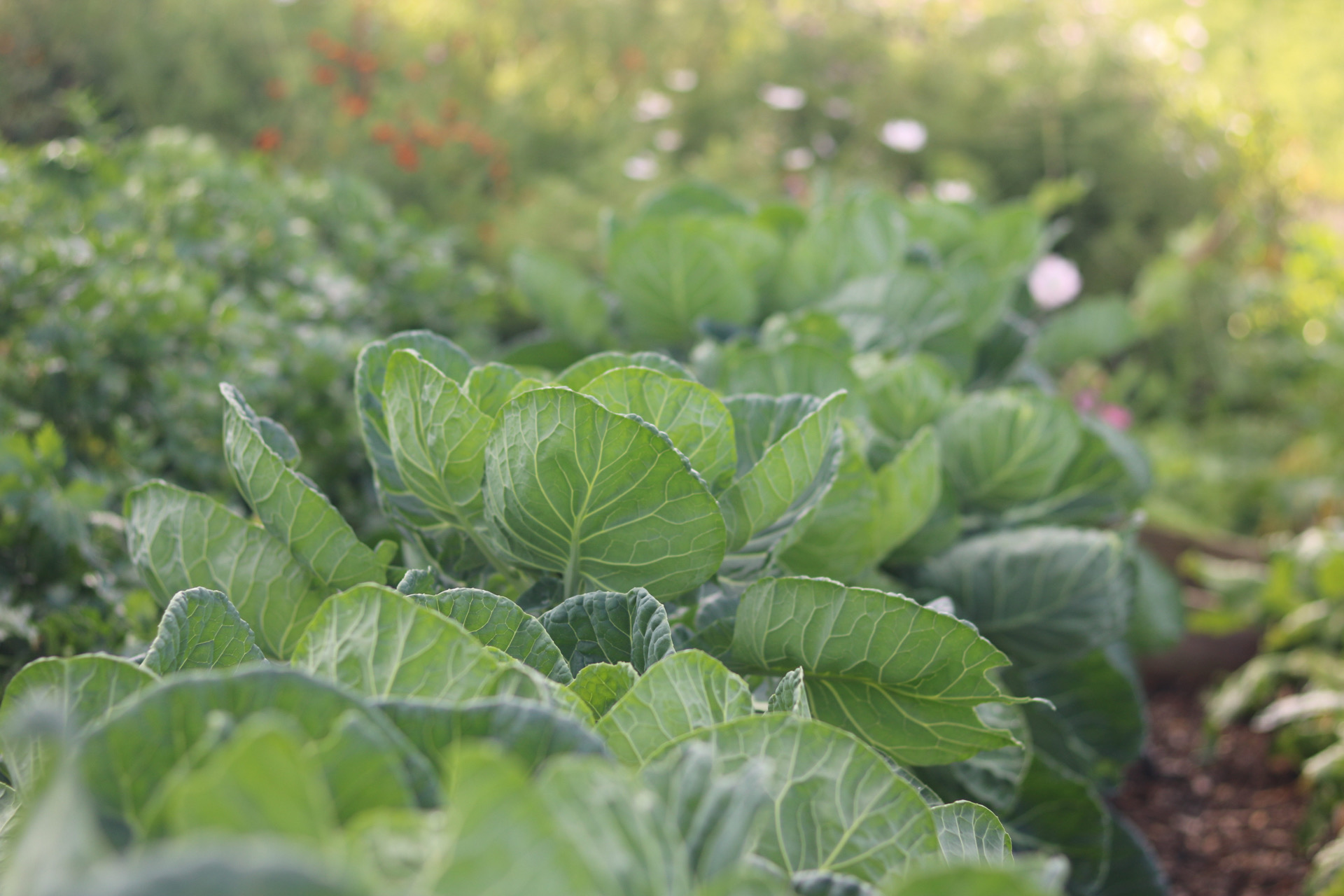
Can you believe it’s October already?
We’ve had a real shift here in North Yorkshire, with a sudden snap frost that brought summer to a very clear end! The squash plants didn't make it through — so I’ve been busy harvesting everything that’s ready (and nearly ready) before the fruits split or rot in the cold. The garden feels like it’s definitely autumn now — morning mists, spider webs everywhere, and leaves beginning to fall, we are still having some warmer afternoons but as soon as the sun goes so does any warmth!
I am really excited to announce that I’ve been busy working on a new podcast! Martha (marfskitchengarden) and I have been working on this for the past couple of months and it’s finally out! We’ll be releasing weekly episodes on a Thursday, and you can listen to them wherever you listen to your podcasts, or alternatively, if you’d like to give it a watch it’s available over on YouTube (link below)
|

Squash Season: Decor, Storage & Choosing for Taste
This is such a good time of year for squash — both for harvesting from the garden and in the kitchen. I’ve got a mix of Crown Prince, Uchiki Kuri, Butternut, Crookneck, Tromboncino (which don’t only look cool, but also taste great too) and many more!
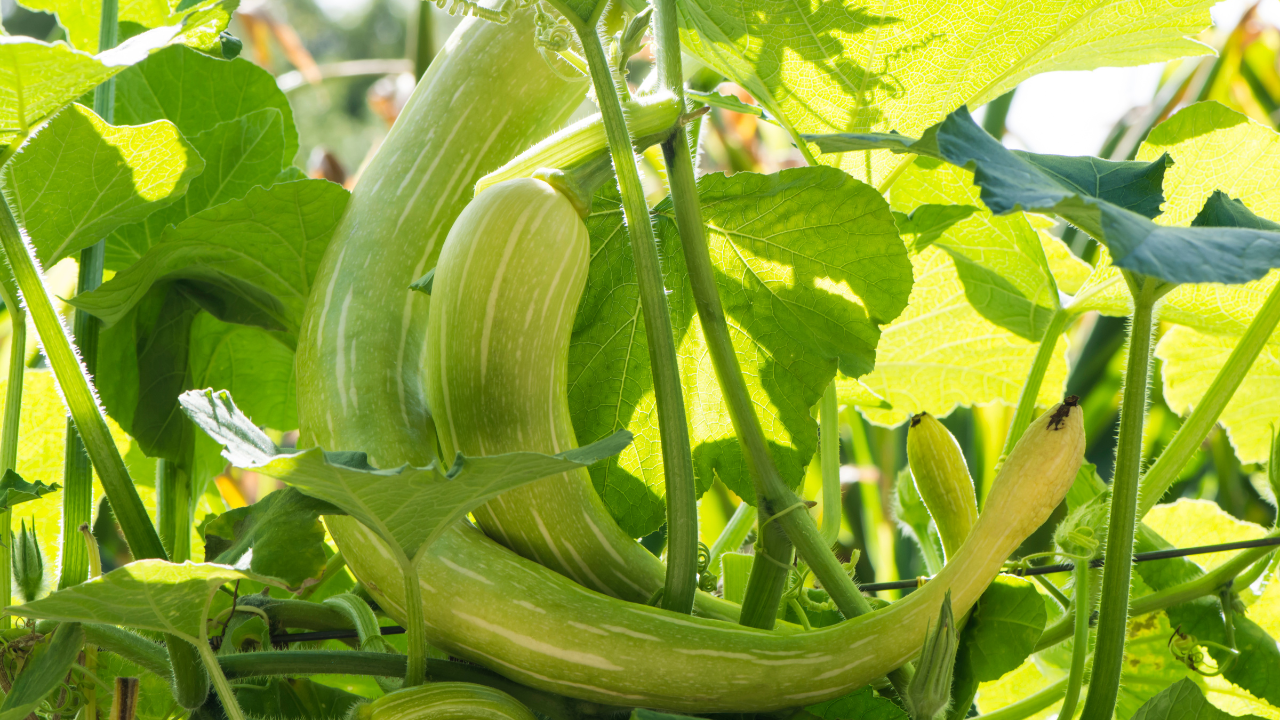
If you’re planning autumn decorations for Halloween or seasonal displays, remember you don’t have to use traditional pumpkins. Many squash varieties are much tastier and longer-lasting — plus they come in the most beautiful muted shades of green, blue-grey and deep orange.
Tip: If you’re curing squash for storage, make sure to leave a bit of stem on and let the skins harden for a couple of weeks before tucking them away.
Planting Garlic
It’s garlic planting time. I’ve just finished prepping the beds and have started putting in both softneck and hardneck varieties. I love planting garlic, it’s great to keep beds full and can be planted both outdoors and in the polytunnel. Here’s a quick breakdown if you’re choosing between the two:
- Softneck garlic tends to store longer. It doesn’t usually produce a flower stalk and is great for plaiting.
- Hardneck garlic produces a central flowering stem (called a scape), which you can harvest and eat in early summer. The bulbs can be more flavourful but won’t store quite as long.
- Elephant garlic is not technically a true garlic, but more closely related to leeks. It is planted the same way however and produces huge, mild-flavoured bulbs. I’ve popped a few in this year and I’m always excited to watch them grow.
Garlic loves a sunny, well-drained spot, so if your soil is heavy, consider a raised bed or add lots of organic matter before planting. I aim to get mine in by mid-October, but earlier is even better.
In the Garden: Slowing Down, Tidying Up & Looking Ahead
It’s definitely the season for slower, steadier work — clearing out finished crops, adding compost, and making sure you keep on top of frosts. I’ve been mulching around fruit bushes, digging up potatoes, and sowing a few final rows of winter salad greens under cover.
Now’s also a great time to:
- Sow green manures to improve soil over winter
- Cut back spent herbs (but leave some for wildlife)
- Plant spring bulbs — especially those that are edible! (make sure you research varieties fully before consuming)
As we shift into the quieter season, we’re still looking for volunteers to help with bed prep, tidying, and spring bulb planting. If you’re local and fancy joining in (even just now and then), we’d love to have you.
Drop a message to: [email protected] to join the WhatsApp group or find out more.
Garden to Plate Recipe: Roasted Squash with Garlic & Garden Herbs
This simple roast is one of my autumn staples — sweet, savoury, and endlessly adaptable. Perfect as a side dish, or tossed into grain bowls, soups or salads.
You’ll need:
• 1 small to medium squash (Uchiki Kuri, Crown Prince, or Butternut are some I like but give it a go with whatever varieties you've been growing)
• 2–3 cloves of garlic, sliced
• A handful of fresh herbs (sage, rosemary or thyme)
• Olive oil, salt, and pepper
Method:
Cut your squash into wedges (no need to peel if the skin is tender). Toss with olive oil, garlic, herbs, salt and pepper. Roast at 180°C for about 35–40 minutes, or until golden and soft. Delicious warm or cold.
Coming up in the next newsletter:
• Saving seed from your favourite flowers
• Creating a wildlife-friendly garden in winter
• Storing harvested herbs and roots
Until next time,
Jamie

Responses