I hope this finds you well and appologies for the delay in June's newsletters, there has been lots going on in North Yorkshire, but we will be back to the regular newsletters and updates from now on. I hope you've all had a lovely summer solstice and that you’re enjoying these warmer, summer days.
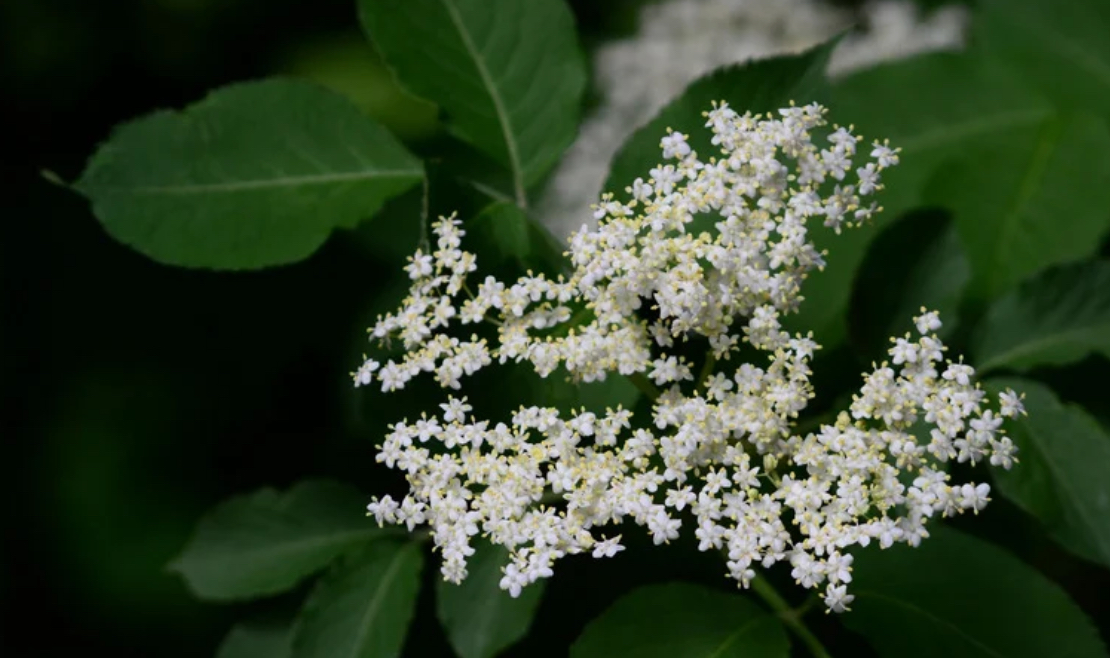
The garden feels like it’s in full swing now — the summer roses are blooming properly, dog walks are now full with the smell of elderflowers, and the veg beds are starting to fill out. There’s a real sense of abundance just around the corner. I always think this time of year is a little magical — a blend of anticipation and reward.
Here’s what I’ve been up to lately — and a few things you might want to try too…
Sowing, Growing & Planting Out
Everything seems to be growing at speed now — including the plants which we commonly refer to as weeds! I’m doing a lot of watering and mulching to keep on top of newly created beds. Although the weed pressure is much less in no dig, growing in the first few seasons its important to keep on top of the perenial weeds to stop them multiplying and strengthening. Remember that soil doesnt like to be left uncovered or unplanted, so make sure to plant your beds up as soon as possible or sow cover crops to keep them happy and healthy.
June is when the garden really fills up. Late sowings can still catch up quickly, so don’t worry if you’re behind — this is your gentle nudge to keep going.
Sow Now:
-
Climbing French & runner beans (direct sow for ease)
-
Courgettes, squash, pumpkins (in pots or straight into compost-rich soil)
-
Sweetcorn (they like the heat, so get them in now)
-
Salads: lettuce, rocket, mustard greens
-
Basil, parsley, dill, and coriander (successive sowings keep you going all summer)
-
Annual flowers: cosmos, calendula, marigolds, phacelia
Plant Out:
-
Tomatoes (especially into containers, grow bags or tunnels)
-
Aubergines and peppers (some warmth helps them settle in)
-
Courgettes and pumpkins
-
Sweetcorn (try planting in blocks rather than rows to help pollination)
-
Beans — French, runner, and borlotti
-
Flowers: cosmos, marigold, nasturtium, calendula
Top tip: Water new plantings well, and mulch with compost, hay or straw to retain moisture and keep weeds at bay — especially in this hot, dry spell.
A Quick DIY: Homemade Nettles Plant Feed
Now's the time to start feeding your hungriest crops — tomatoes, squash, and courgettes will all thank you for it.
Here’s a quick, free and organic way to do it using nettles (which are probably growing somewhere nearby!).
Method
-
Harvest nettle tops (you may want to wear gloves)
-
Put them into a bucket and cover with water (rainwater if you have it)
-
Leave for 1–2 weeks — it’ll begin to smell, but that’s a good sign
-
Strain and dilute to the colour of weak tea
-
Water in around the base of your plants every week or so
Rich in nitrogen and minerals, it’s a great early-season tonic — and costs nothing.
Community Garden Update – Early June
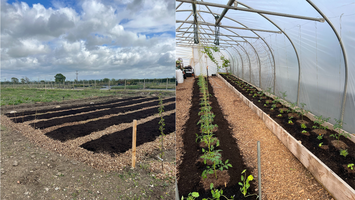
We’ve been full steam ahead in the past couple of weeks but there is still so much to do, we have been busy keeping on top of clearing the ground in preparation for expanding the no dig bed blocks (this involves cutting back greenery and then heavily mulching), adding a solar pump to our water collection unit and cotinuing with the never endig cycle of pricking out and potting on. As we are growing successsionally the sides are never empty but this does mean, neither are the beds!
The polytunnel is now planted up with tomatoes, cucumbers, chillies, aubergines, marigolds and basil — we spent our last volunteer day setting up supports, mulching, weeding and discussing companion planting. Keeping on top of watering is tough (we are still hand watering everything) so this week we are setting up irrigation which will take a lot of the watering pressure off and ensure that all the plants are getting evenly watered!
Outdoors, we’ve been planting out squash,beans, flowers, courgettes, outdoor tomatoes and so much more. All into the no-dig beds we prepped last month.
Next volunteer/learn day is all about haybale beds: how to prep and create a block of haybale beds, why we would make beds this way and the benefits. We'll also be discussing cover crops and the benefits they have in the garden.
It would be great to see as many of you at the garden as possible and we have now set up a Whatssapp group, if you would like to be added to it for regular updates, then send your name and number over to [email protected]
If you would like to book on to this weeks volunteer and learn days, there is a link below:
 |
Garden to Plate Recipe: June Herby Pea Smash on Toast
Simple, fresh, and very green — this is perfect for a light lunch or a garden snack with a squeeze of lemon.
Ingredients:
-
A mug of fresh or frozen peas
-
A small garlic clove (or a few wild garlic leaves if you still have some!)
-
A handful of herbs — mint, parsley, chives all work well
-
A glug of olive oil
-
Salt, pepper, lemon juice
-
Sourdough or your favourite toast
-
Optional: feta, vegan cheese or toasted seeds to sprinkle on top
Method:
Blanch the peas for 2 mins and drain. Add them to a bowl with the herbs, garlic, oil, lemon, salt and pepper — then mash with a fork or pulse in a blender. You’re aiming for a rough, chunky texture.
Toast your bread, heap on the smash, and finish with toppings of your choice.
Great with a salad or alongside soup for a light dinner.
In the next newsletter, I’ll be sharing:
-
Natural ways to deter garden pests
-
How to make Haybale growing beds
-
Tips for harvesting and storing herbs over summer
As ever, I’d love to hear what’s growing in your garden — or what you're cooking with your harvests!
Until next time, happy growing,
Jamie

Responses