I hope your February is off to a great start and that you’re beginning to see the first signs of spring in your garden! The days are slowly lengthening, and while winter still has its grip, there’s plenty to keep us busy as we prepare for the growing season ahead.
🌱 What to Focus on in Late February
💡 Sowing Early Crops for a Head Start
February is a great time to start sowing some early crops indoors to give them the best chance once the warmer months arrive. Here are some great choices:
-
Chillies & Peppers – I mentioned chillies in the last newsletter and you still have time to get them started. They need a long growing season, so starting them now gives them time to establish before transplanting.
-
Aubergines – Like Chillies, Aubergines love warm conditions and will benefit from an early start in a heated propagator.
-
Broad Beans & Peas – These can be started under cover now and will be ready to go outside in early spring, or have a go at direct sowing your broad beans into a prepared growing bed (just be aware that mice love them! so they may need some protection).
If you don’t have a heated propagator, a sunny windowsill will work just fine. Keep an eye on your seedlings to ensure they don’t get leggy due to low light levels and remember to rotate them once they have germinated so all sides are getting an equal access to light.
🌼 Encouraging Pollinators into Your Garden
Even in winter, we can do small things to help our local pollinators as they emerge looking for food. Here are a few ideas:
-
Plant early flowering bulbs – Crocus, snowdrops, and winter aconites are invaluable for bees.
-
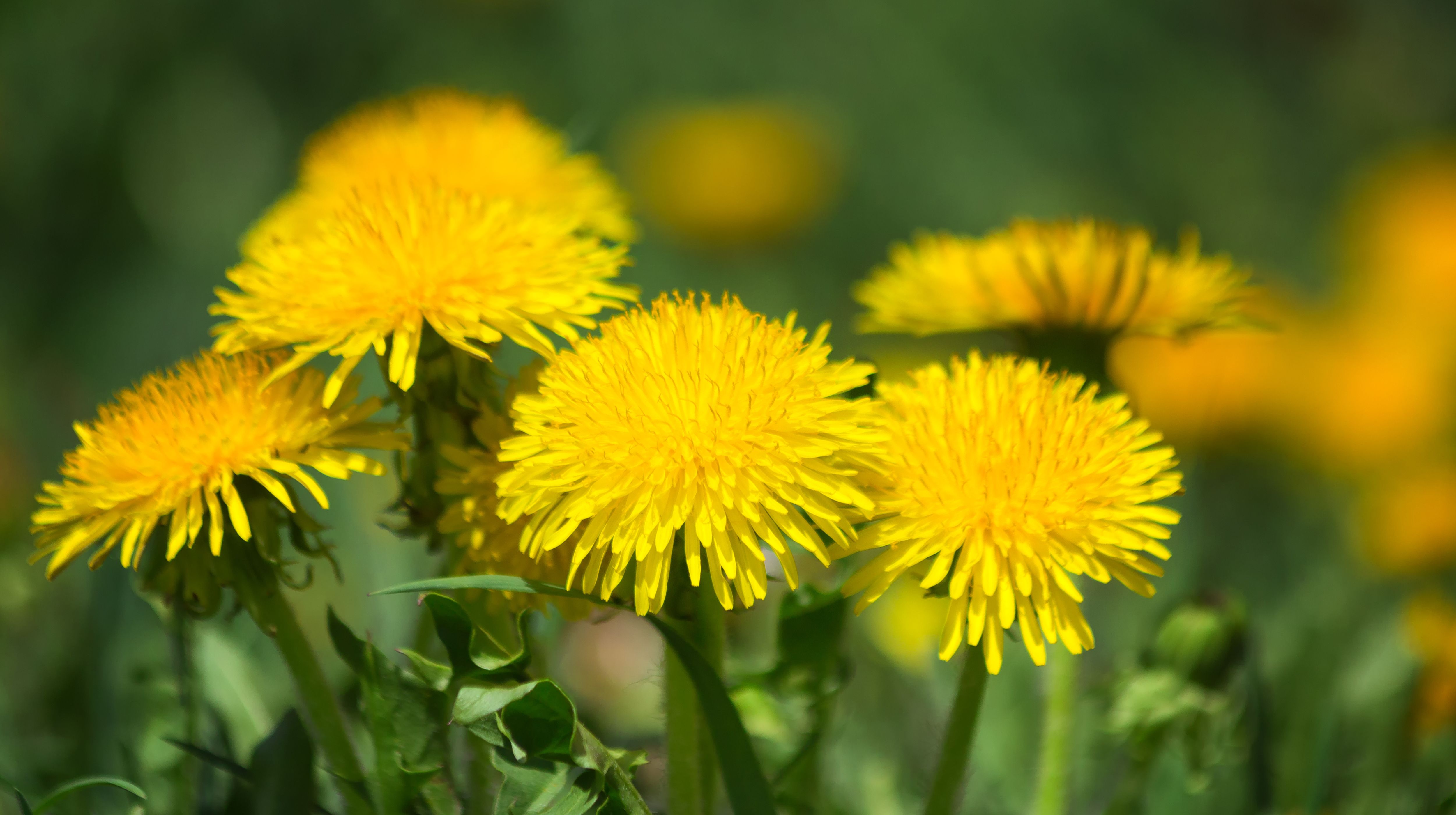
Leave dandelions – Often seen as weeds, dandelions are actually one of the first nectar sources for bees in early spring and are so useful both for the soil and as a food source for us! If you want more information on wild plants (commonly referred to as weeds) and their benefits, there is lots of information in my new book.
-
Provide shelter – Small log piles or even an upturned flowerpot filled with hollow stems can offer a refuge for overwintering insects, if you are cutting back larger branches, consider making a dead hedge.
I’ll be sharing more pollinator-friendly garden ideas on my Instagram, so be sure to check them out!
🌍 Eco-Friendly Gardening: Homemade Fertiliser
Creating your own fertilisers is a fantastic way to recycle nutrients back into your garden. Here are a couple of simple, effective methods:
-
Nettle or Comfrey Tea – Steeping these leaves in water for a couple of weeks produces a nitrogen-rich liquid feed, perfect for leafy greens.
-
Chop and drop - if you find that a particular 'weed' or wild plant is growing in your garden, it likely means that the soil requires a particular nutrients which that plant provides. Instead of removing completely, simply chop the plant at the root and drop the leaves/foliage. As the plant breaks down it will release the essential nutrients that the soil required.
What’s your favourite homemade garden feed? Let me know!

🥕 Garden-to-Plate Recipe: Comforting Leek & Potato Soup
February is still a chilly month, so here’s a simple, warming soup to make the most of seasonal veg:
Ingredients:
-
3 large leeks, trimmed and sliced
-
4 medium potatoes, peeled and diced
-
1 onion, chopped
-
2 cloves garlic, minced
-
1 tbsp olive oil or butter
-
1 litre vegetable stock
-
1 tsp dried thyme
-
Salt & pepper to taste
-
Optional: A splash of plant based cream or a handful of plant based grated cheese for richness. I sometimes opt for some oat milk and nutritional yeast!
Instructions:
-
Heat the olive oil or butter in a large pot and sauté the onion, garlic, and leeks until soft.
-
Add the potatoes, thyme, and vegetable stock, bringing to a simmer.
-
Cook for about 20 minutes, until the potatoes are tender.
-
Blend for a smooth soup or leave chunky for texture.
-
Season to taste and serve with warm, crusty bread.
Other jobs for late February
-
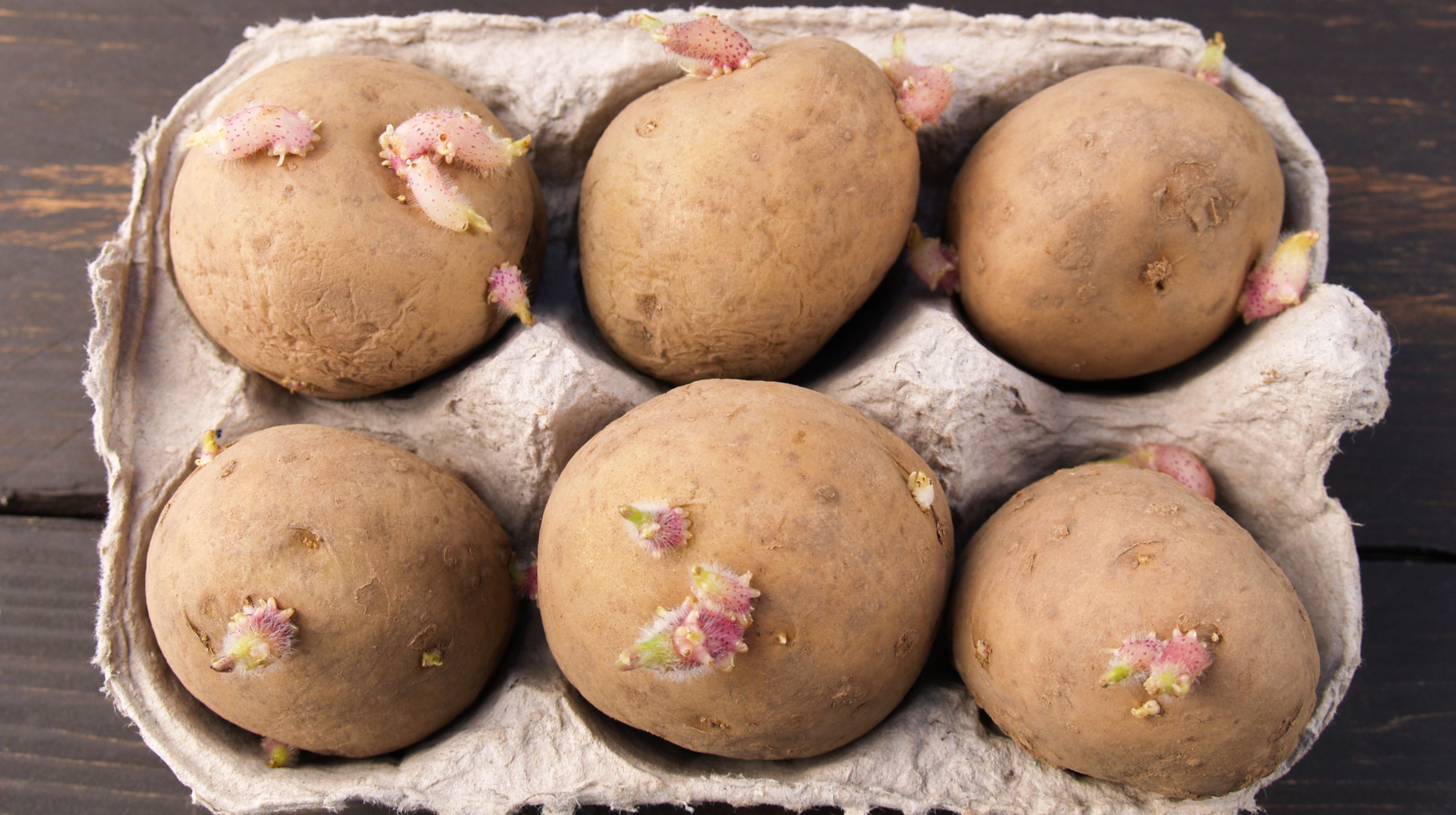
Chit your potatoes - If you are wanting to grow early potatoes this year then now is a great time to chit them, chitting encourages them to sprout before planting out in the garden, similarly to growing your seedlings safely indoors before they are planted out. Simply arrange your early varieties with their eyes upwards, in a box or seed tray and then just pop them in a light, cool area but ensure that its frost free.
Top Tip - too much warmth at this stage will result in them sulking once they are planted out, so be aware of this.
🌟 Looking Ahead In the next newsletter, I’ll be sharing:
-
How to get your greenhouse ready for planting.
-
The best flowers to sow in early spring for a pollinator-friendly garden.
-
Exciting updates from my new Community Gardening project!
As always, I’d love to hear what you’re sowing and growing this season. Leave a comment with your gardening updates!
Happy gardening,
Jamie x

Responses